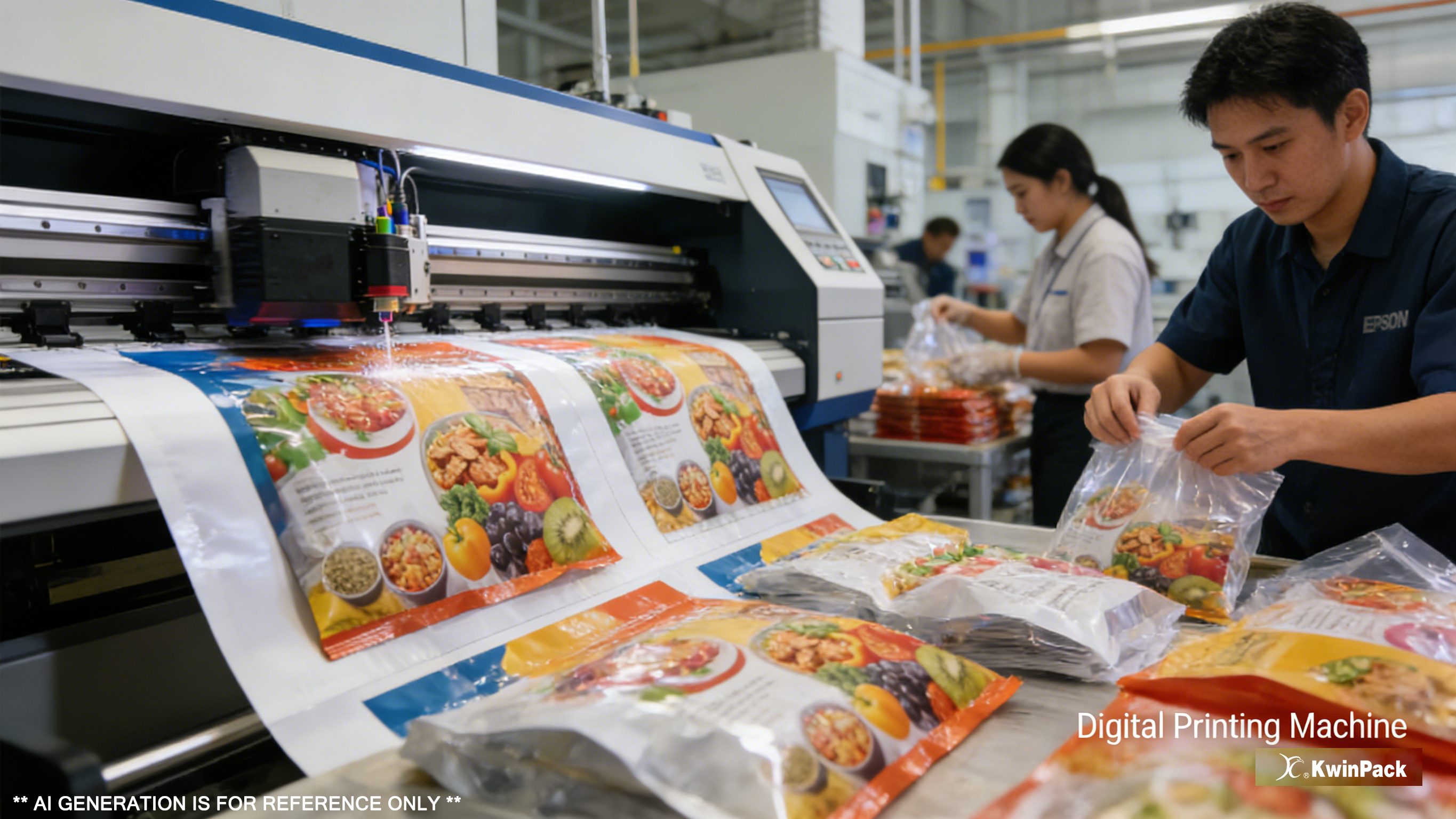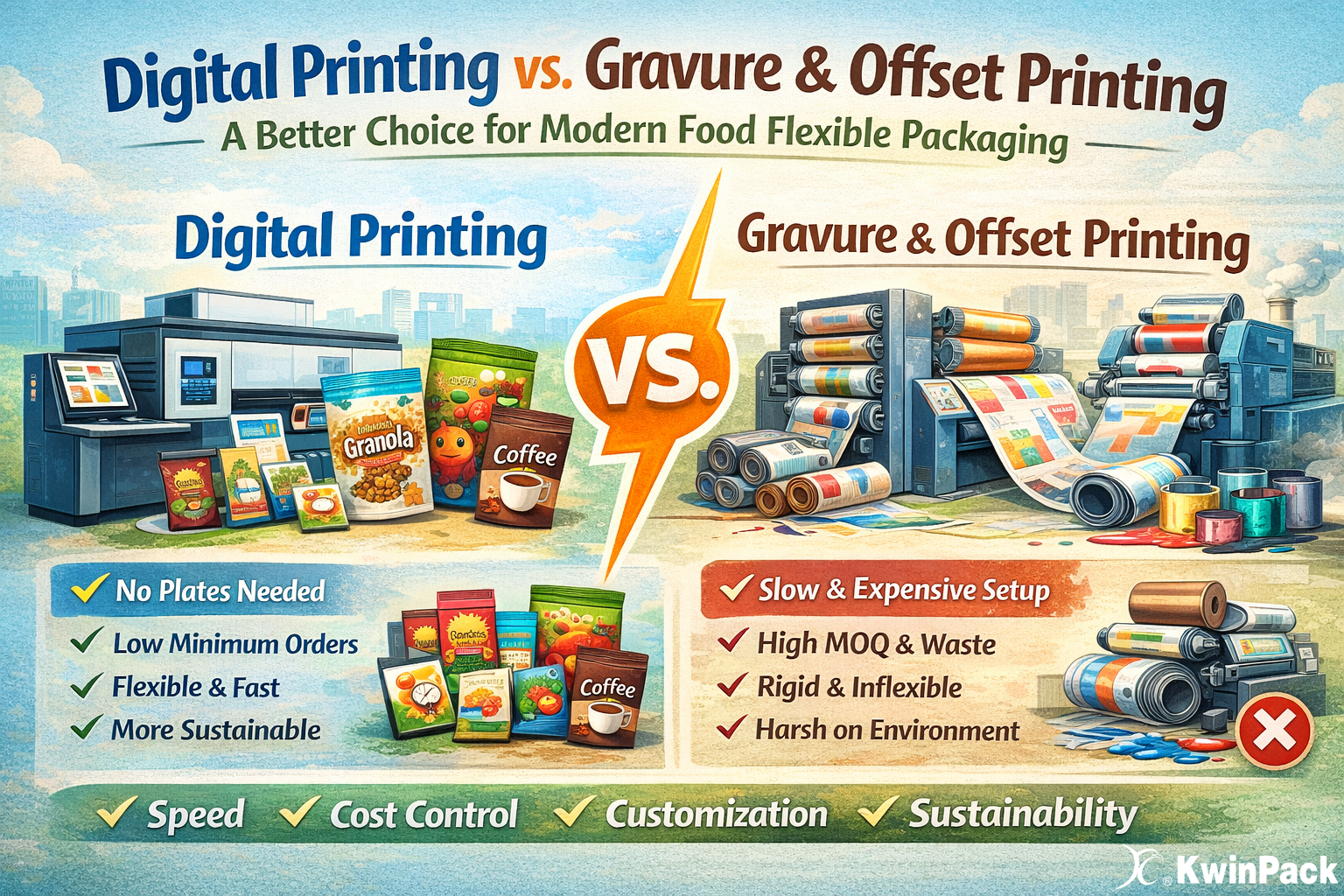
As a supplier specializing in custom food flexible packaging, we have witnessed a clear shift in the industry. More and more brands are moving away from traditional Gravure Printing and Offset Printing, and choosing Digital Printing instead.
This is not just a trend — it’s a practical upgrade driven by market demand.
Traditional printing methods like gravure and offset require:
Cylinder or plate making
Complex setup processes
Long preparation time
This means high upfront cost and long lead times.
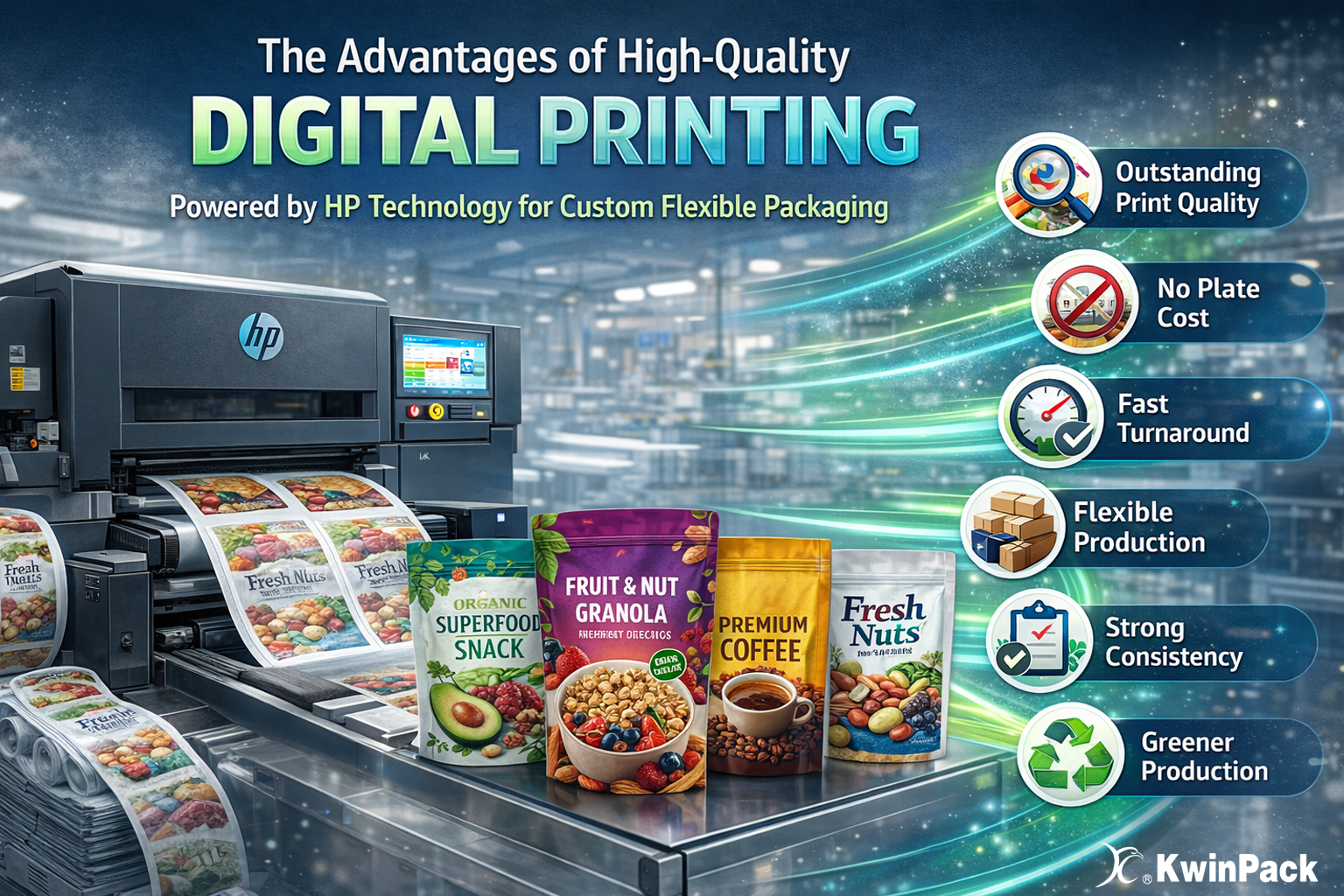
With digital printing, there is:
• No plate making
• Instant file-to-print production
• Quick turnaround (even within days)
For food brands launching new products, speed is everything. Digital printing helps you seize market opportunities faster.
Gravure printing is only cost-effective for very large volumes.
• High cylinder costs force clients to order tens of thousands of units
• Not suitable for testing new products
Digital printing changes this completely:
• Low minimum order quantity
• Ideal for small batches & trial orders
• Reduces inventory pressure
This is why startups and established brands alike are shifting to digital.
In traditional printing:
• Any design change = new cylinders + extra cost
• Slow and inefficient for frequent updates
With digital printing:
• Designs can be changed instantly
• Support for multiple SKUs in one run
• Perfect for seasonal packaging & promotions
For example, food packaging often needs quick updates for flavors, labels, or marketing campaigns — digital printing makes this effortless.
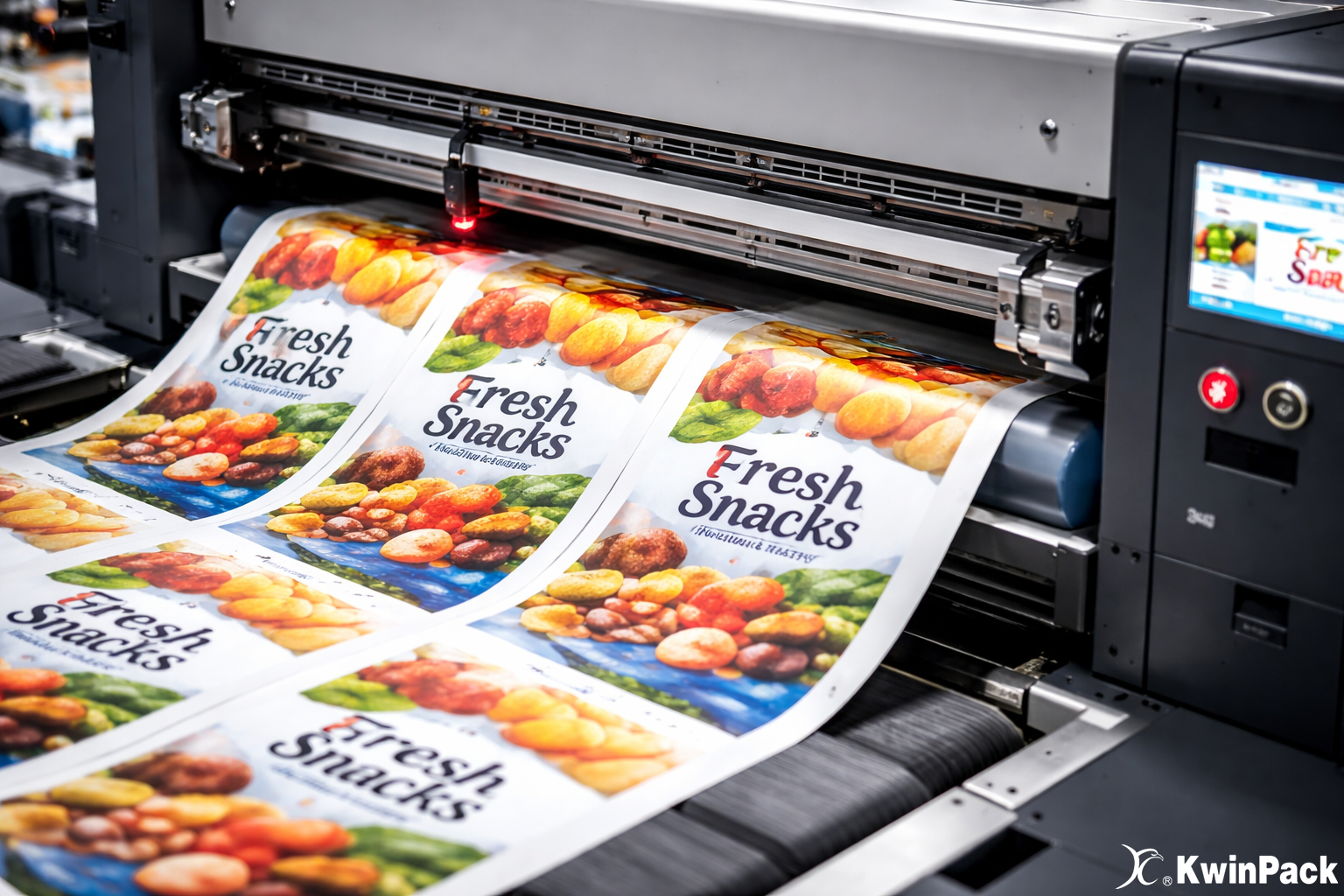
Modern digital printing technology delivers:
• High-resolution graphics
• Accurate color reproduction
• Stable printing quality across batches
While gravure printing can also achieve high quality, it often requires large volume runs to stabilize output.
Digital printing ensures consistent results even for small quantities, which is crucial for premium food packaging.
Traditional printing involves:
• Excess material waste during setup
• Ink and solvent usage
• Obsolete inventory from overproduction
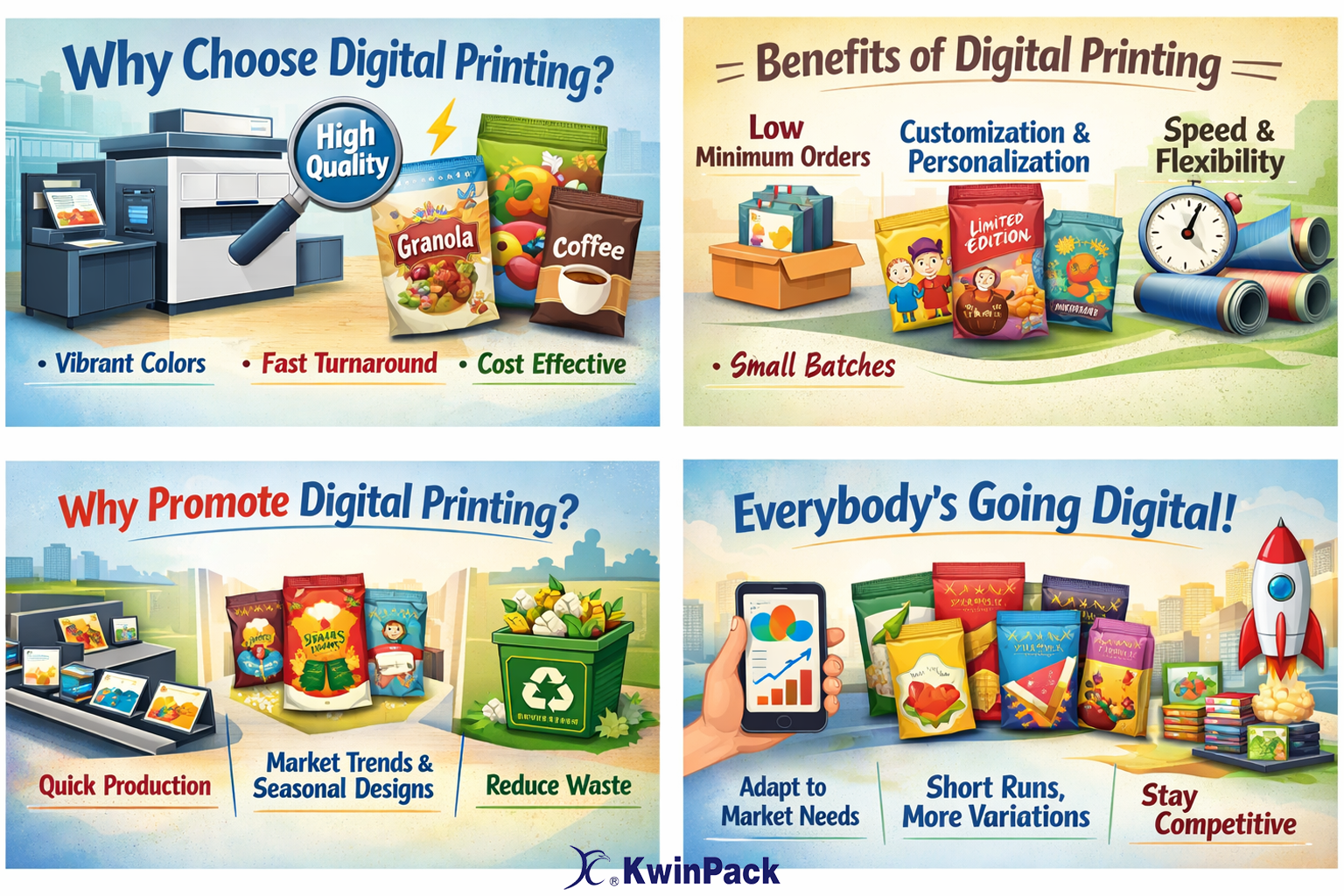
Digital printing is more eco-friendly:
• Print on demand
• Minimal waste
• Lower environmental impact
As sustainability becomes a key concern, this is a major advantage.
From our experience working with global food brands, the reasons are clear:
• Faster product launches
• Lower risk and cost
• Greater flexibility
• Better adaptation to market trends
Digital printing is not replacing traditional methods entirely —
but it is becoming the preferred solution for modern, flexible packaging needs.
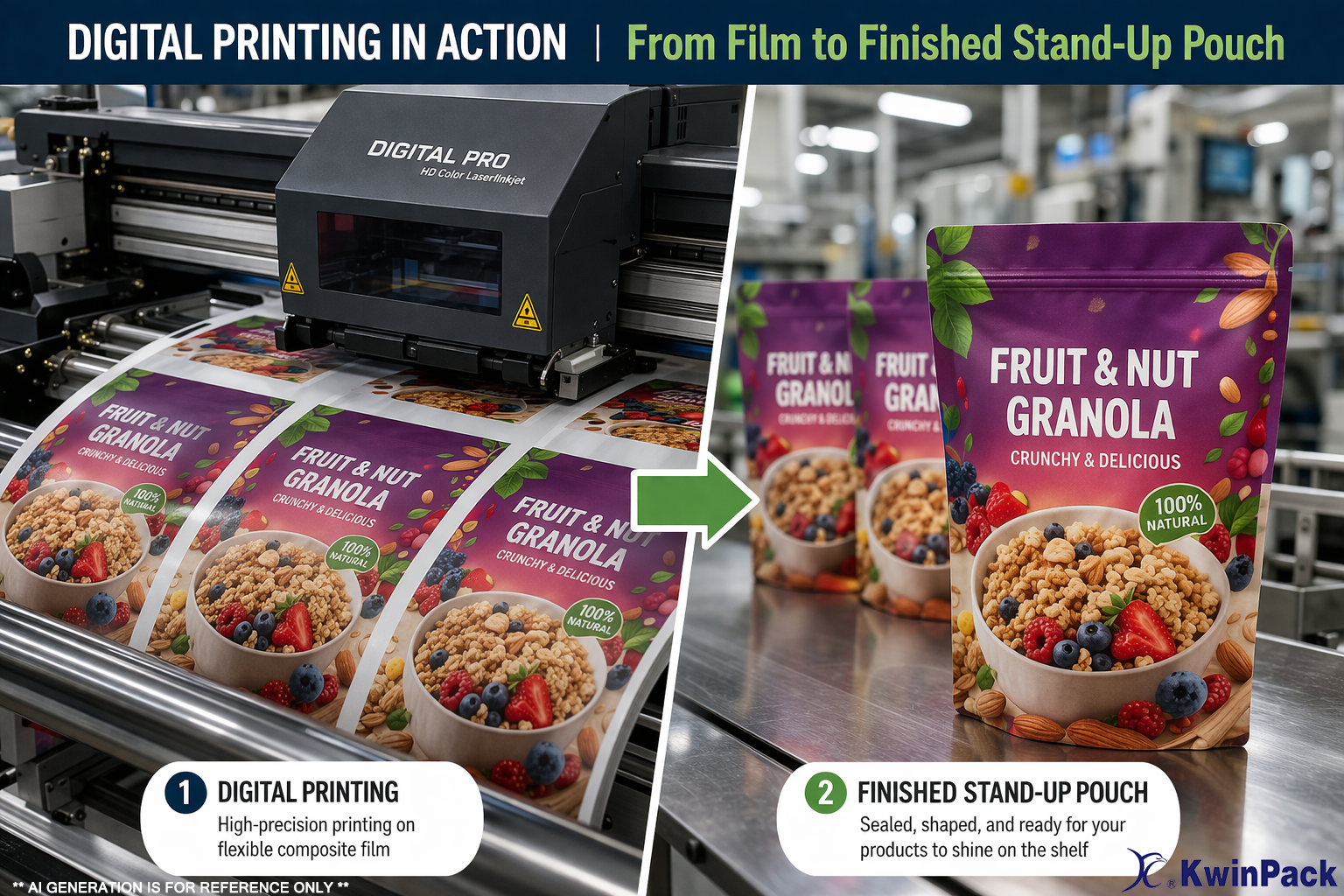
In today’s fast-changing market, efficiency and flexibility matter more than ever.
Compared to gravure and offset printing, digital printing offers:
• Speed
• Cost control
• Customization
• Sustainability
That’s why we strongly recommend digital printing for food packaging businesses looking to stay competitive.
Digital printing is not just an option — it’s the future of flexible packaging.

 EN
EN