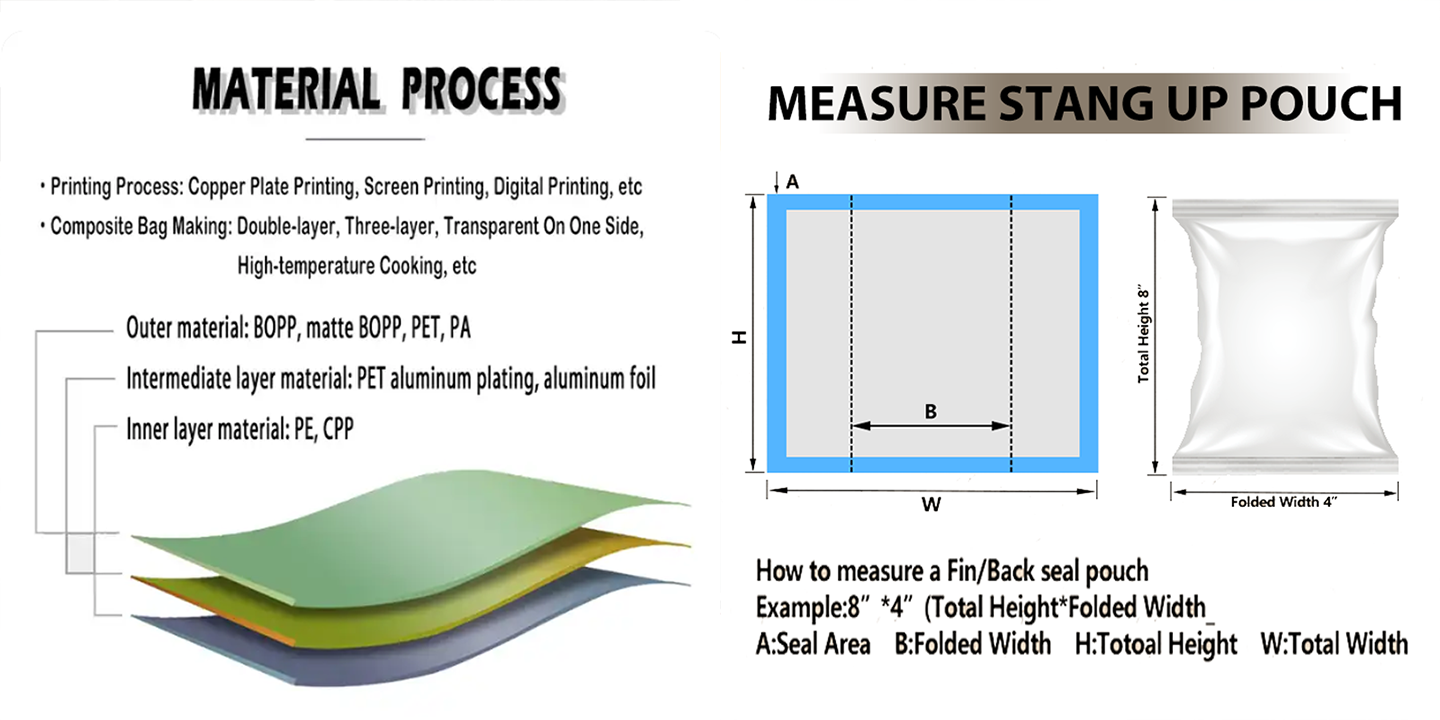
Choosing the right polymer for roll stock film really comes down to matching what the material can do with what the final product needs. Polyethylene, or PE for short, is great at keeping moisture out, around 85% effective in most setups, plus it takes impacts pretty well without breaking the bank. That's why so many food packages rely on it. Then there's polypropylene, PP if we're being brief. This stuff has amazing clarity so things look good through it, and it handles heat better than most. Medical products and certain foods that need sterilization often use PP because it can stand up to temperatures as high as 120 degrees Celsius without melting down. Polyester, known as PET, brings something different to the table. It's super strong when pulled and blocks gases really well too. Oxygen transmission drops by about 70% compared to PE, which makes all the difference for things like medicines, electronic components, and fancy gourmet foods that get damaged by air exposure. Every option has its pros and cons regarding how they react to chemicals, how long they last, and price tags vary quite a bit. The smart approach isn't just picking based on what looks familiar or cheapest upfront but rather thinking about what actually matters for the job at hand.
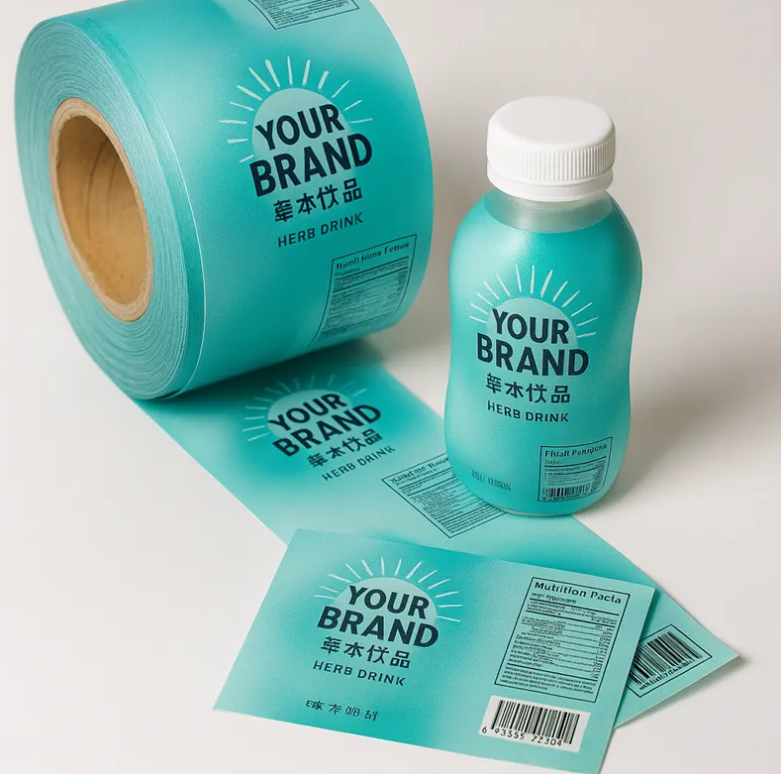
Most plastic films come with pretty low surface energy around 30 to 35 dynes per centimeter which makes them struggle with ink wetting problems and often leads to adhesion issues when not treated properly. The solution? Corona discharge treatment works wonders here. This controlled plasma process basically oxidizes the film surface, bumping up those energy levels to somewhere between 38 and 46 dynes per cm while also creating tiny surface irregularities that help things stick better. When done right, these treated films maintain over 95% ink holdfast even during fast printing operations and regular handling. Untreated materials tell a different story though they might lose as much as 40% of their adhesive properties just sitting on shelves for six months in normal conditions. For common polyolefin based films like polyethylene and polypropylene, finding the sweet spot for treatment intensity usually means aiming for about 1.5 to 3.0 kilowatts per square foot per minute. Manufacturers check this through standard dyne tests to make sure printed products look good throughout their entire journey from factory to store shelves.
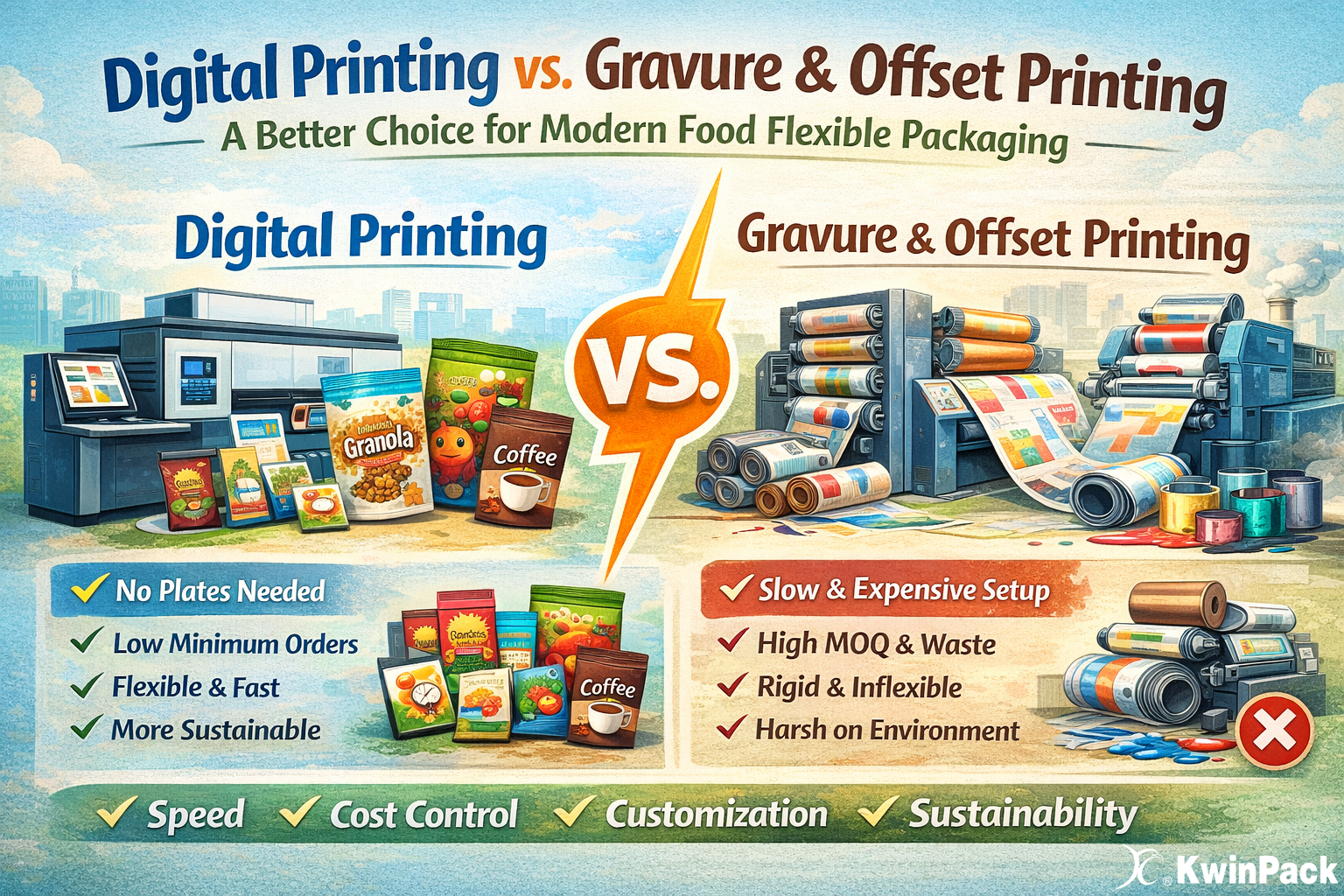
Flexographic printing still rules the game when it comes to producing large volumes of roll stock film at reasonable costs. The technology relies on those flexible photopolymer plates paired with fast drying inks that let machines run over 1,000 feet per minute. This makes flexo particularly good for jobs needing more than 10,000 linear feet of material printed. Today's flexo presses can hit around 150 lines per inch resolution, which is plenty sharp enough for most food packaging needs, retail labels, and other consumer products where brands want decent detail without going overboard. Flexo shops typically use water based or UV curable inks these days, so operations are greener while still sticking well to polyolefin materials. Setup expenses tend to be about 40 percent cheaper compared to gravure printing methods, making flexo a real winner for companies running similar designs repeatedly. Plus, modern flexo systems work great with inline finishing processes like lamination, slitting, and various coatings, which saves time and money across production lines.
When it comes to getting sharp visuals and consistent quality in premium roll stock films, gravure printing is really hard to beat. The process relies on those specially engraved chrome cylinders that apply ink with incredible precision at the micron level. We're talking about resolutions over 300 lines per inch here, which means gradients look almost photographic, text stays crisp even at small sizes, and those fancy metallic effects come out just right every time. These cylinders last through millions of prints without showing much wear either, so colors stay stable throughout big production runs. Sure, the upfront cost for gravure cylinders is around 60% more expensive than what flexo printing requires, but once companies hit about half a million units printed, the math starts working better for them. Another thing gravure does exceptionally well is handle tough materials like polyester. Metallic inks get better coverage and the registration stays tight where it matters most. That's why so many pharmaceutical companies, luxury beauty brands, and top shelf candy makers turn to gravure whenever picture quality makes all the difference in how consumers see their products and meets those strict regulatory requirements too.
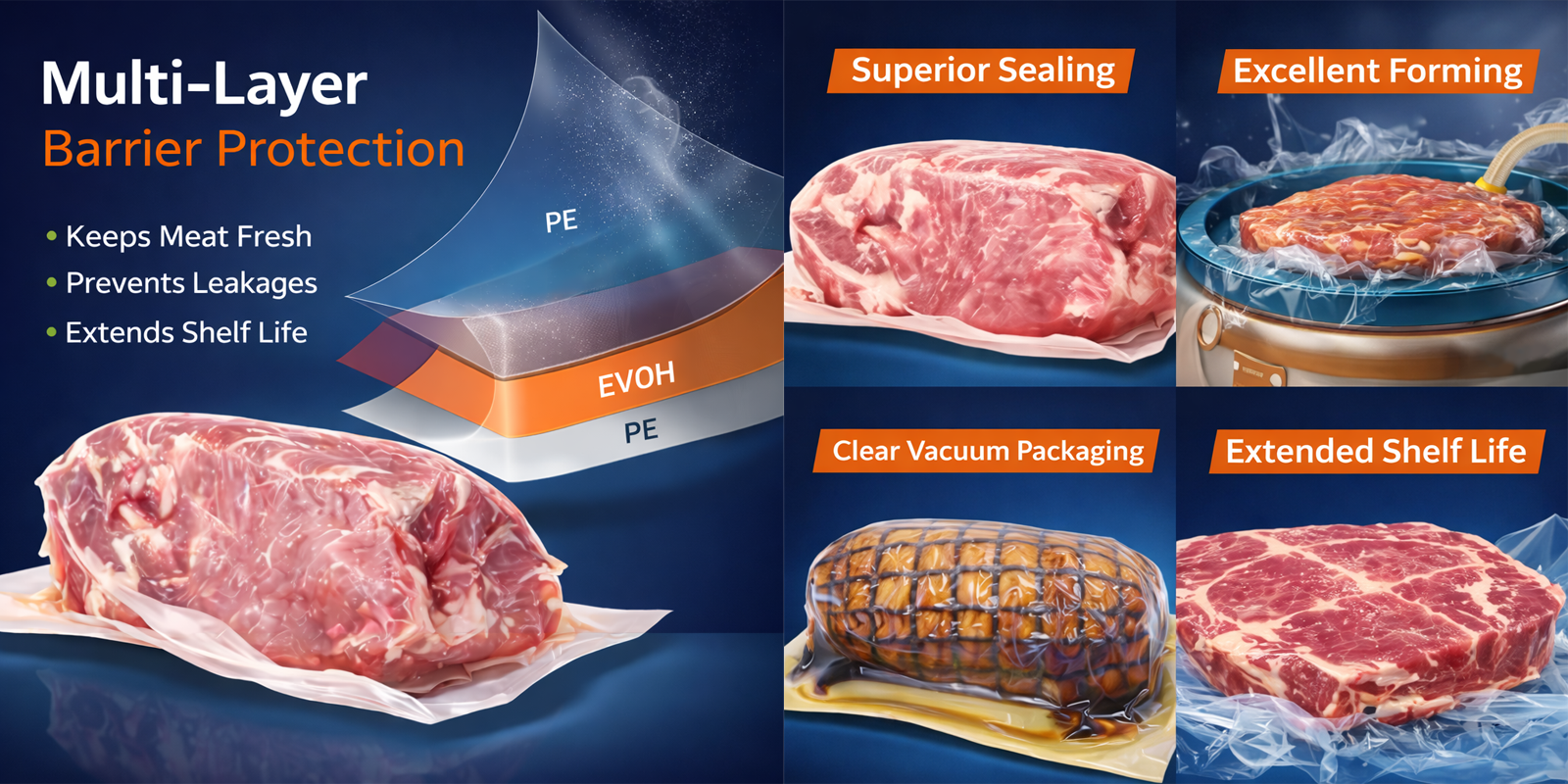
When it comes to food packaging, custom printed roll stock film needs to hit three key marks at once: good barrier protection, meeting all the regulations, and keeping prints clear and lasting. Films that block moisture really well, like ones that stop water vapor transmission below 0.5 grams per square meter over 24 hours, can actually keep products fresh around 30% longer than regular films. This makes a big difference when trying to meet those shelf life goals everyone talks about these days. The materials used have to pass FDA standards for direct contact with food stuffs. For polyethylene, look at section 177.1520 of 21 CFR. Polypropylene requires checking both sections 177.1520 and 177.1550, while PET has its own requirements under section 177.1400. And don't forget about the printing itself. It has to stay readable even after going through fast form fill seal machines, surviving heat seals, and making it through the rough handling during shipping and distribution. That means nutritional info, brand logos, and expiration dates need to stay scannable and legally compliant from factory floor right down to grocery store shelves.
For medical grade roll stock films, meeting strict validation standards like ISO 11607 is absolutely necessary if they're going to survive multiple sterilization processes. We're talking about things like steam autoclaving at temperatures above 121 degrees Celsius and exposure to ethylene oxide gases. The cross linked polymer structures used in these films typically retain around 98% of their barrier properties and mechanical strength after sterilization, which means the packages stay sterile and the seals hold up under pressure. Print durability matters just as much though. Those barcodes need to scan properly even after getting rubbed against rough surfaces, exposed to harsh chemicals, or subjected to extreme temperature changes during shipping. When looking at industrial applications such as packaging parts for cars or aircraft components, manufacturers test films for additional factors too. Static dissipation becomes important, along with how well the material resists punctures and works with automated machinery on production lines. All these different requirements mean selecting the right materials isn't something that can be left until last minute decisions are made.
Choosing the right roll stock film these days isn't just about finding something that works technically. Companies need to think ahead because things are changing fast. The Extended Producer Responsibility rules coming in by 2025 plus what customers want now means businesses have to switch to greener options sooner rather than later. We're talking about materials like bio-based polymers that come with certification marks and special chemical recyclable films designed to work within circular systems without losing their protective qualities. At the same time, new generation films need to work well with modern factory setups. Thickness needs to stay pretty much constant around ±5 microns otherwise production lines get stopped up during fast filling operations. Surface quality matters too since it affects how well printers work and whether sensors can be properly attached. Smart companies are already working closely with suppliers who are testing out cool stuff like freshness sensors built right into the packaging, antimicrobial coatings that last longer, and specially formulated inks optimized through artificial intelligence. This approach keeps packaging relevant as regulations tighten, technology advances, and markets continue shifting underneath everyone's feet.

 EN
EN