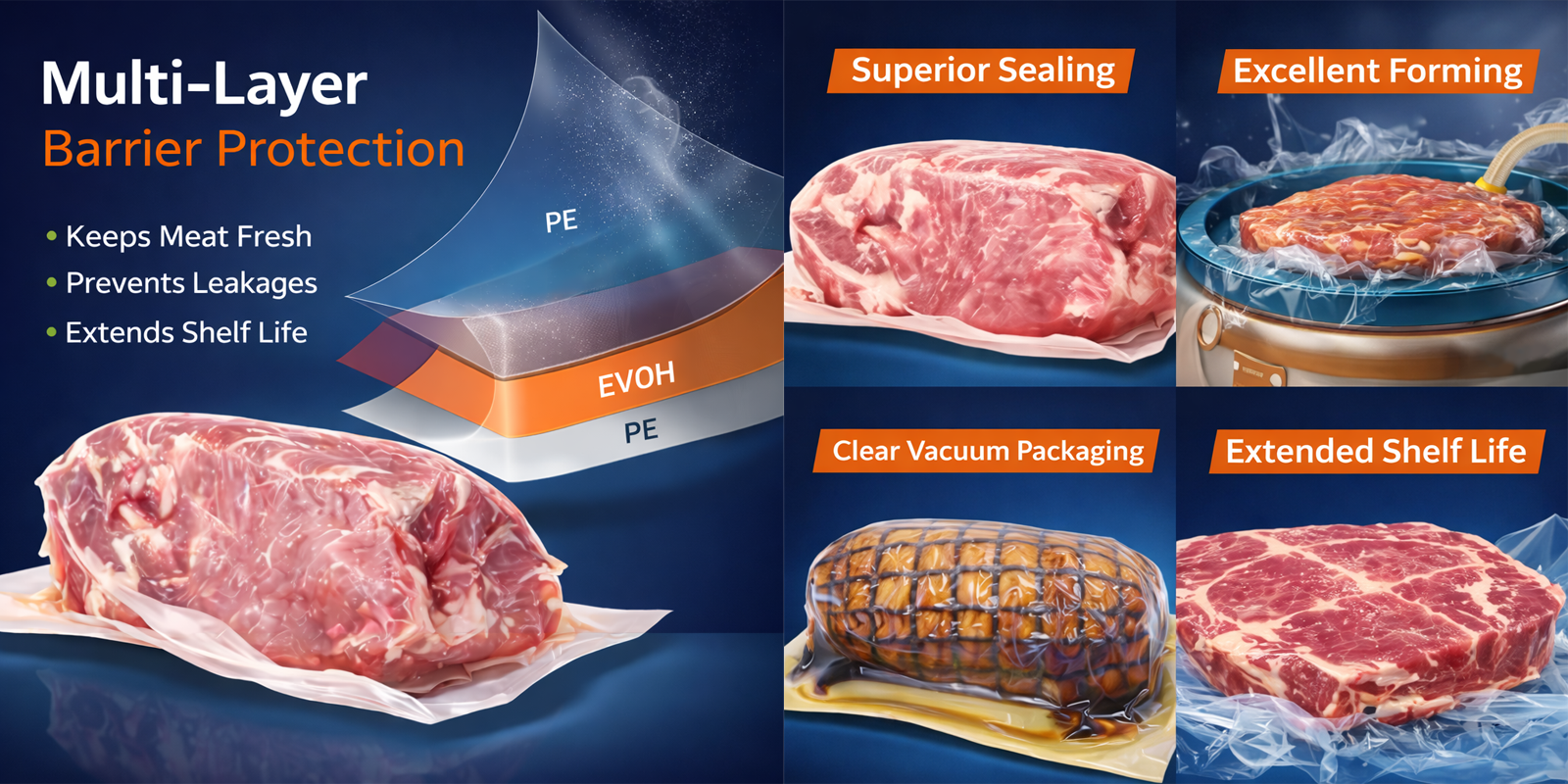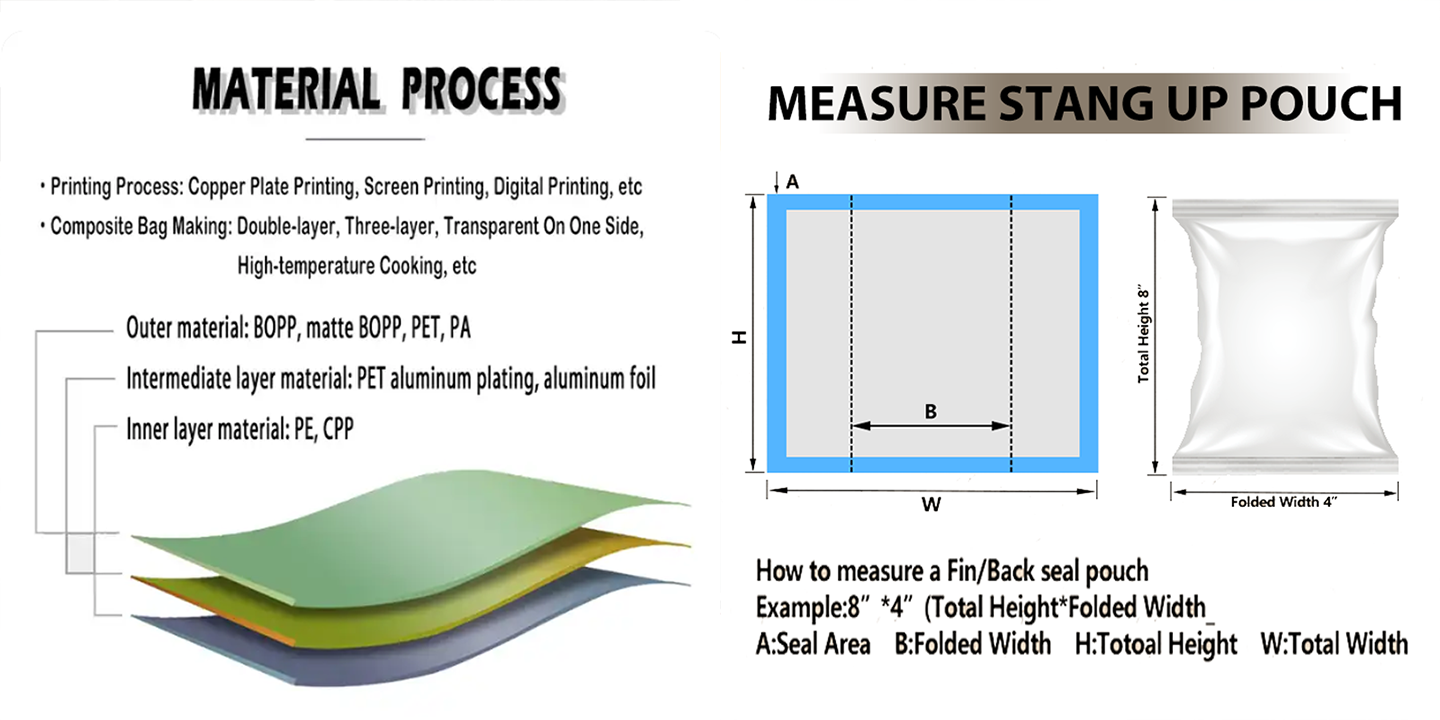
The thermal bonding process forms those tight, leak-proof seals by heating up polymer layers between metal jaws and then letting them cool while applying pressure. Getting the temperature right matters a lot actually. If we go even 10 degrees above what's needed for melting, the resulting seal might be 40% weaker than expected. The time spent on the heat also counts for something. Usually around half a second to two seconds works best so molecules can properly mix together. Pressure needs to stay consistent too, somewhere between 15 and 50 pounds per square inch to push out any trapped air. For multilayer materials such as PET combined with PE, different temperatures are necessary because each layer behaves differently when heated. Polyethylene tends to melt around 120 degrees Celsius while polyethylene terephthalate needs closer to 160 degrees. Industry tests show that matching these settings correctly based on how thick the material is and what kind of barriers it provides can boost seal strength by about a quarter, which makes all the difference in real world applications.
| Feature | Impulse Sealers | Constant Heat Sealers |
|---|---|---|
| Heating Mechanism | Short electrical bursts | Continuously heated jaws |
| Energy Use | Lower (60% less than constant) | Higher |
| Speed | ≈ 25 sachets/minute | 50–200 sachets/minute |
| Best For | Low-volume, sensitive products | High-speed production lines |
Impulse sealers keep sensitive materials like enzymes from getting damaged because they heat up quickly then cool down fast. When manufacturers are running smaller operations below 10k units per day, these machines cut down on wasted materials around 15 percent since the heat is focused exactly where it needs to be. Constant heat systems work better for bigger productions over 20 thousand units daily though. These setups hold steady temperatures which makes them great for fast production runs. Plus they fit right into existing automation systems without any hiccups in the workflow.
Testing the seals on liquid filled sachets is essential to ensure they hold up. Burst tests work by increasing pressure until the sachet fails, which helps determine basic strength requirements around 20 to 25 psi for most water based liquids. For creep testing, we apply continuous weight for anywhere between a day and two days to mimic what happens during extended storage periods and catch those gradual shape changes that might not be obvious at first glance. Dye penetration remains one of the best ways to spot tiny leaks under 20 microns in size. The technique involves running colored fluid along the sealing area and checking if it seeps through via capillary action. Many regulations actually require this specific test for things like medicines and oils where even minor contamination could cause serious problems, according to the latest edition of Packaging Compliance Digest from 2024. When all these different testing methods are used together, manufacturers get pretty solid confidence that their packaging won't let anything escape.
Sachet geometry directly affects leak potential through seal length, junction complexity, and stress distribution. Three configurations dominate liquid packaging:
| Design | Seal Points | Leak Vulnerability | Best Application |
|---|---|---|---|
| 3-Side Seal | 3 edges | Top horizontal seal | Viscous products (sauces) |
| 4-Side Seal | All edges | Corner junctions | High-speed liquid filling |
| Center-Seal | Back + sides | Minimal seam interfaces | Aggressive liquids (oils) |
Three side packaging designs tend to leak from the top seal when being filled, which is a common problem manufacturers face. Four side configurations do offer better corner strength, though they require much more precise integration of the pouring spout. The center seal or back seal option actually cuts down on the total sealing surface area by around thirty percent compared to traditional four side packages. This reduction means fewer potential failure spots and saves on materials too. According to some recent testing done during transportation, these center seal designs had about forty percent fewer leaks when handling those thin consistency liquids. These findings were published in the FlexPack Journal last year, so there's solid data backing this up for anyone looking at package design improvements.
Ultrasonic sealing works by creating high frequency vibrations that produce heat right where the materials meet, quickly melting thermoplastic layers. When things cool down, strong bonds form with remarkable precision even on very narrow seals around 1mm wide. This approach cuts material waste significantly compared to older techniques, somewhere between 15% and 20% less waste overall. The process happens incredibly fast too, with each cycle taking less than half a second which means production can run up to twice as fast while still maintaining consistent quality. This method really shines when dealing with complex packaging that includes aluminum foil or other metal coated materials where standard heating methods just don't work well. Since the energy focuses specifically on the area needing sealing, everything else stays cool to touch. That makes all the difference for products like supplements that need protection from oxygen exposure during packaging.
Cold sealing works differently from traditional methods because it uses pressure activated adhesives instead of heat to stick sachet layers together. During the lamination process, manufacturers apply a patterned adhesive strip made mostly from natural rubber. When the package gets pressed down, these strips create strong seals right away at room temperature. This matters a lot for products containing probiotics and enzymes since exposure to temperatures over 40 degrees Celsius can destroy anywhere between 40 to 90 percent of their effectiveness according to research published by the Institute of Food Technologists back in 2023. Most cold sealing processes involve two different films working together - typically one printed layer paired with another barrier film. Getting these materials to work well together is absolutely critical though. If they don't match properly, there's a good chance of either blocking problems or complete seal failures. While the special adhesives do cost about 25% more than regular heat seal materials, companies find that eliminating all energy consumption during sealing makes up for this extra expense, especially when preserving sensitive ingredients becomes a priority.
Getting good sachet seals requires sticking to proper procedures day after day. Cleaning those seal bars every morning stops dirt buildup which causes tiny leaks nobody wants to see. We check temperature settings, pressure levels, and how long things stay pressed together at least once a week. Small changes matter a lot here - just three degrees off can make packages start peeling apart or tearing completely. Before running big batches, always run some sample tests on new materials first. Keep tabs on how strong the seals are over time using those ASTM F88 tests everyone talks about. Humidity matters too so try to keep workshop conditions stable since damp air really messes with plastic behavior. Following all these practices cuts down defects somewhere around 40% and makes products last longer on store shelves. Some research showed companies saw about a third fewer returns when they stuck strictly to maintenance schedules, plus their overall output went up nearly 20%. When manufacturers approach sealing as something that follows rules rather than guesswork, they turn what used to be hit or miss into something predictable and reliable most of the time.

 EN
EN