Picture holding a pouch of loose-leaf tobacco or a fine cut tobacco pouch. Before you can take in the aroma of the tobacco, you get feel the packaging, and all the packaging qualities in the way they close. They close securely, making a sound that demonstrates the quality of the packaging. Packages used in the tobacco industry are of the highest quality because of the product’s integrity, and because of the packaging, the product keeps fresh all the way from the factory to the users. When it comes to tobacco bag materials, people think of impact, but durability is also taking care of the product from the factory, throughout the distribution process, and then in the consumer’s hand.
Regarding products, tobacco is special. Tobacco's moisture, quality, and signature aroma are are constantly under attack from outside elements. The primary attackers are moisture and oxygen - moisture can dry tobacco out or cause mold and oxygen can stale tobacco. Also, tobacco products are often improperly stored or handled during logistics, where they're packed into boxes, shipped, and stacked. A dry, flimsy pack that tears and allows air to seep through is destined to dissatisfy customers. A sturdy pack, however, has many positive functions. A pack is a robust obstacle against abrasions and punctures. A pack is also a shield against climate. The right tobacco pack materials are designed to stop the movement of gas and vapors. This pack insulation guarantees that the atmosphere inside the pack will never change and the moisture will always remain at the perfect level and the tobacco will remain at its best from the day the pack is sealed to the day the pack is opened. This closes the circle of customer trust and leads to repeat business.
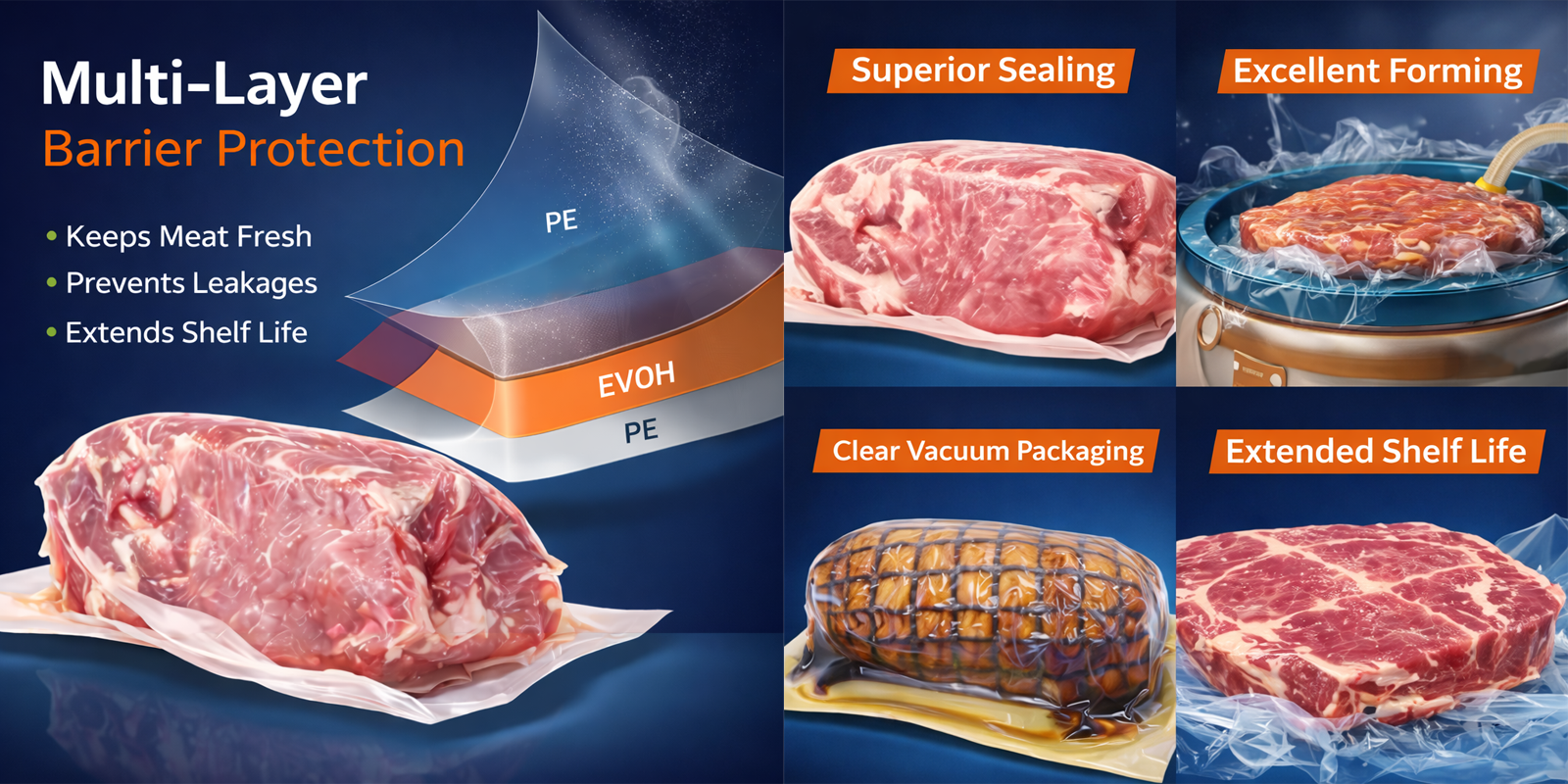
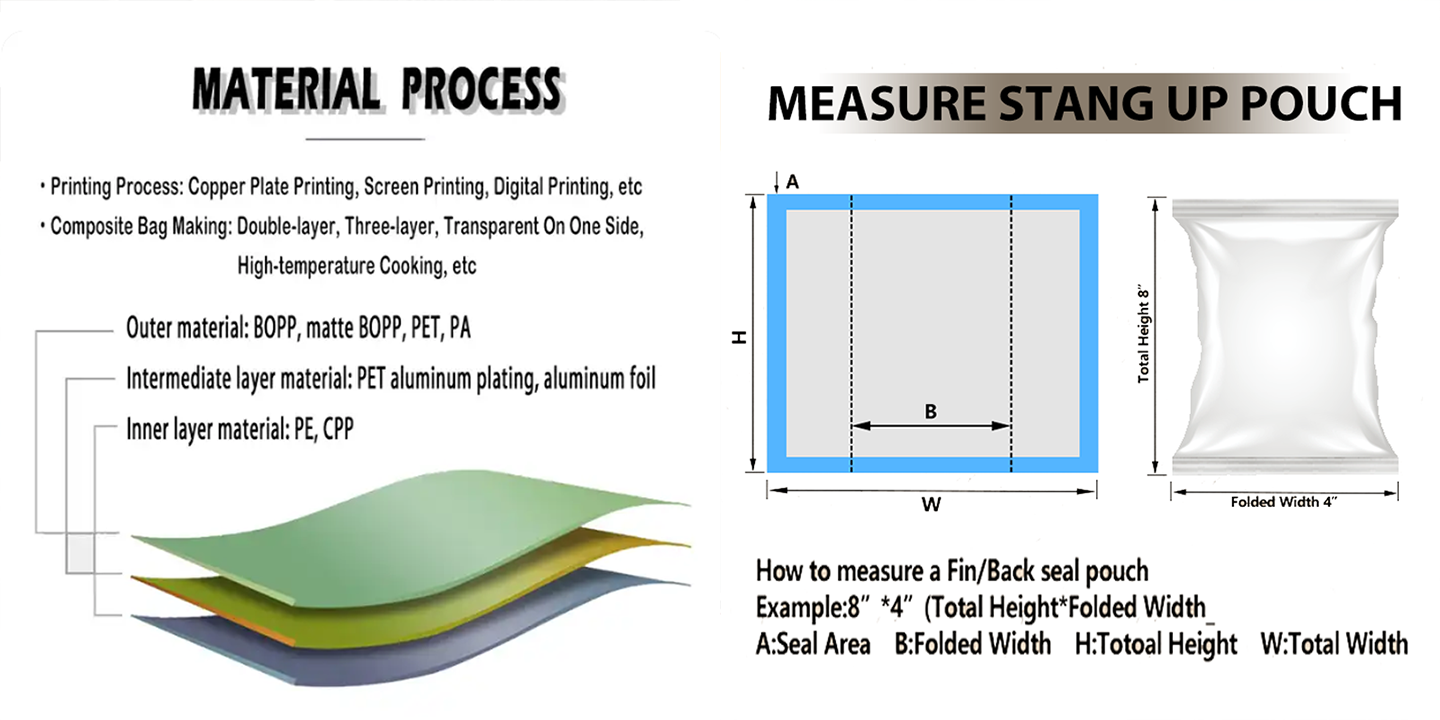
Advanced laminate technology is what gives the durability to tobacco pouches. Three films is the gold standard laminate structure. The top layer is OPP or PET. This is the maximum durability layer. It is very handleable. It has good tensile strength, puncture resistance, and is good for high quality printing and branding. The layer also has to endure a lot of physical manipulation. The next layer is a staple of barrier protection, foil. It is the light, oxygen, and moisture barrier. It completely protects the contents from external degrading elements of the environment. The very bottom layer is a polymer such as PE. This is food safe, very important in making good seals to keep the pouches airtight, and is specially chosen to not react with the tobacco. All of these layers are strong. The barrier and cost balance is the main differentiator to film with a meta layer. The particular product and shelf-life demanded more variants to be made.
Real durability goes beyond just a material's capacity to withstand wear. It's a function of the whole experience of the user. A bag might be perfectly protective, but it will be useless if the seals are weak and closures are easily disengaged. Thus, the design and construction of a bag are equally important to its durability. The bag's heat seals along the sides and the bottom need to be strong and even, able to hold in the contents without bursting or delaminating. For products designed to be consumer packaged goods, the closure mechanism significantly impacts durability. A reliable adhesive flap, or a zipper that forms a tight closure, must engage, activate, and disengage properly every time to reseal the bag, and maintain the contents' quality after the initial opening. This durability in operation seals a bag's contents and prevents wastage. Additionally, the right Tobacco Bag Materials support operational durability. The material should not impart undesirable smells and tastes to the tobacco, a wanted attribute in a bag that exhibits low odor transmission. The qualitative attributes of the bag’s material, a smooth glossy, or a matte, textured finish, contribute to the quality experience, and reinforce the perception of operational and structural durability of the bag. Every experience with the bag, from the first touch to the last pinch of tobacco should be protected from unwanted tactile interactions, to reinforce the experience of a quality product.
There is no perfect material; each has it pros and cons, which is why it is important to understand the product inside and out before making a decision. Maybe it's a dry snuff which requires an ultra-high moisture barrier. Or perhaps it's a moist chewing tobacco that needs to retain a certain humidity for it to be effective. Or, what is the desired shelf life? These factors will ultimately determine the barrier level, and therefore the material, be it a foil laminate, or some other structure, will be more appropriate. Budgets are a reality, and we understand that barrier material will be more expensive, so that is an important to take into account as well.
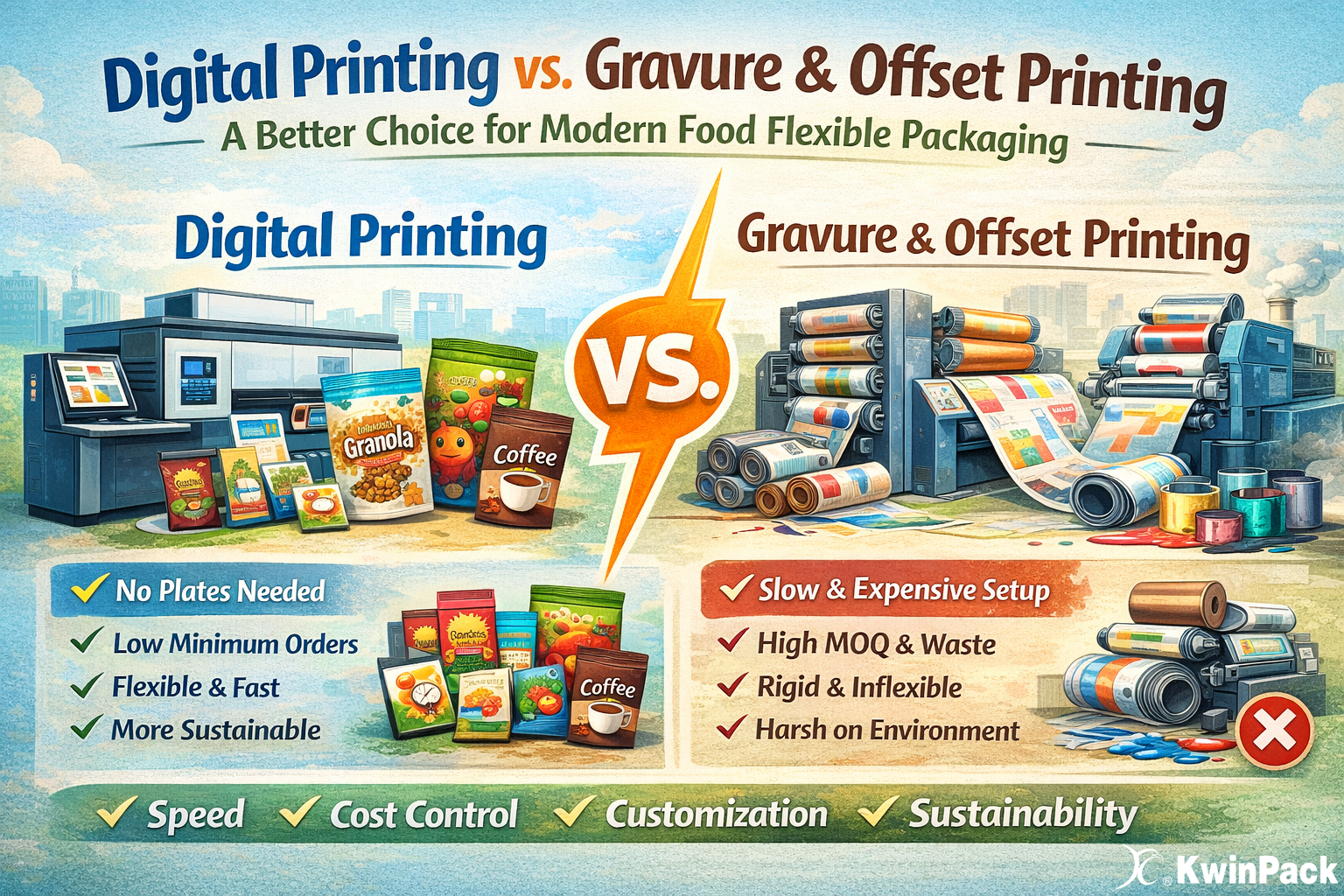
Also very important are the branding needs. If the material you are using is not compatible with your printing technique, you may end up getting an ugly printed product that adopts the shelf, and stays there for a prolong promised time. It's a balance that needs to consider your branding needs, and environmental needs. Foil laminates are really difficult to recycle so the industry has been looking for ways to use less material and or other coatings for the barriers. This is why it's important to find a company that has experience in the industry.They will be able to handle these trade-offs and suggest the best and most efficient Tobacco Bag Materials for the application. Then, they will execute the final product and be one of the most durable bags aligned to the brand, and inspire confidence in every pouch.

 EN
EN