For enthusiasts and connoisseurs alike, tobacco is more than just a product; it's an experience defined by its unique aroma, moisture, and complex flavor profile. Whether you enjoy pipe tobacco, cigars, or rolling tobacco, improper storage can quickly degrade this experience, leading to dried-out leaves, lost aromas, and a harsh taste. The secret to long-term enjoyment lies not just in the quality of the tobacco itself but in how you store it. Proper care ensures every session is as intended by the blenders and growers. This guide delves into essential storage tips, emphasizing the crucial role that high-quality packaging, like a reliable tobacco bag, plays in this preservation process.
To store tobacco correctly, you must first know what you're protecting it from. Tobacco is a natural, hygroscopic product, meaning it readily absorbs and releases moisture from its surroundings. Its three main adversaries are:
Air Exposure: Oxygen is the primary culprit in the degradation process. It causes tobacco to stale, oxidizes the oils that carry flavor, and accelerates the loss of moisture.
Humidity Fluctuations: An environment that is too dry will desiccate the tobacco, making it brittle and harsh to smoke. An environment that is too humid promotes the growth of mold and mildew, which ruins the tobacco and poses health risks.
Light and Heat: Direct sunlight and high temperatures cook the tobacco, breaking down its delicate compounds and essential oils, resulting in a flat, bitter flavor.
The goal of storage is to create a stable, sealed microenvironment that shields your tobacco from these elements.
Your storage container is your most important tool. While tobacco often comes in basic packaging, for long-term storage, transferring it to a superior container is key.
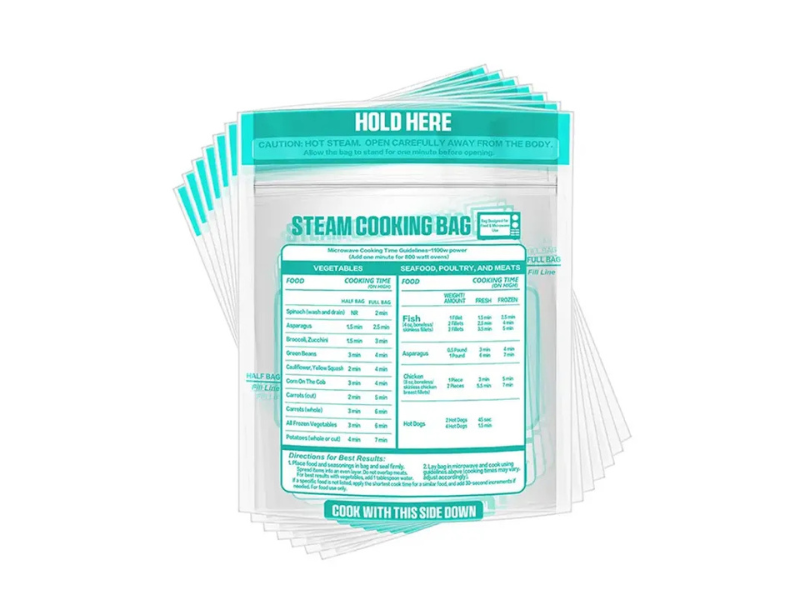
Airtight is Non-Negotiable: The container must have a perfect seal. Mason jars are the gold standard for many collectors due to their glass construction and airtight screw-top lids. For shorter-term storage or portability, high-quality tobacco bag made from multi-layer laminated materials can be excellent. These specialized bags often feature a foil layer to block light and air and a reliable zipper or clasp seal to maintain a consistent internal climate. It’s important to distinguish these from ordinary plastic bags, which are often too thin and porous to be effective.
Material Matters: Glass is inert and doesn't impart any odors. Certain high-barrier plastics and laminated materials used by professional packagers are also designed to be food-safe and non-reactive. A company like Kwinpack, with expertise in flexible packaging for sensitive products, understands the necessity of using materials that protect integrity without contamination.
With the right container, the next step is controlling the storage environment.
The 70/70 Rule (and its Caveats): A traditional guideline for cigars is 70% relative humidity at 70°F (21°C). This is a useful starting point for many tobacco types, but it's not universal. Pipe tobaccos, especially aromatics or those with higher sugar content, often fare better at a slightly lower humidity (62-65%) to prevent them from becoming overly moist and difficult to smoke. Invest in a good digital hygrometer to monitor conditions inside your storage space.
Consistency Over Perfection: More critical than hitting an exact number is avoiding wild swings. Frequent fluctuations in temperature and humidity are more damaging than a stable, slightly "off" environment. Store your sealed containers in a cool, dark place like a closet or cabinet, away from appliances that generate heat.
Humidification Tools: For larger storage setups like humidors, using distilled water and proper humidification devices (beads, gels, or electronic units) is essential. For tobacco sealed in a jar or a high-barrier bag, the moisture content at the time of sealing will be largely maintained, minimizing the need for constant regulation.
Your storage strategy can be tailored to how much you have and how quickly you consume it.
For the Bulk Buyer: If you purchase tobacco in large quantities, practice "cellaring." Divide your stock into smaller, sealed containers. This allows you to open one container at a time for daily use without exposing your entire supply to air. Label each container with the date and type of tobacco.
For the Daily Enthusiast: Maintain two storage tiers. Use a small, high-quality pouch or a tobacco bag with a robust seal for your daily carry or weekly supply. Keep the majority of your stock in its optimal long-term storage (like a sealed jar in a cool cupboard) and only refill your daily container as needed.
Handling and Rotation: Always use clean, dry hands or tools when handling tobacco to prevent introducing oils or moisture. If you have multiple varieties, consider rotating older stock to the front to ensure it gets used at its peak.
Even with good habits, issues can arise. Here’s how to spot and fix them:
Dry Tobacco: If your tobacco feels crispy, crumbles easily, and has a faint aroma, it has dried out. You can often rehydrate it carefully by placing a humidity source (like a dampened terra cotta stone) in the sealed container with the tobacco for a day or two, checking frequently to avoid over-humidifying.
Mold: This appears as fuzzy white, blue, or green patches. If you see mold, the affected tobacco and any tobacco it was in direct contact with should be discarded. Mold spores can spread and are unsafe to inhale. Prevention through proper humidity control is the only cure.
Aging vs. Staling: Properly sealed, stable storage allows tobacco to age gracefully, mellowing and blending flavors in a desirable way. Staling, caused by air exposure, results in a loss of all character and flavor. The difference is stark and underscores the importance of an airtight seal.
Proper tobacco storage is a simple yet profoundly effective practice. It respects the craftsmanship that went into the product and ensures maximum enjoyment for the consumer. By investing in quality, airtight storage solutions—whether classic glass jars or professionally engineered laminated bags—and maintaining a stable environment, you protect your investment and guarantee that every smoke is a perfect reflection of the blender's art. For packagers dedicated to quality, like those who understand the stringent requirements for barrier properties and seals, the goal aligns perfectly with that of the consumer: to deliver the product in—and keep it in—perfect condition.



 EN
EN